Epoxy flooring lasts for years and is versatile. Epoxy flooring offers additional benefits such as protection from concrete wear and chemical and abrasion resistance provided by our heavy-duty products.
Easy maintenance is possible with epoxy flooring. To maintain epoxy floors, you only need to sweep away dirt and debris. Then use mild detergent with warm water to mop as necessary.
Many flooring materials are not able to withstand all the natural elements. This flooring is slip-resistant and can be used for walkways, driveways, pools, footpaths, patios, decks, or staircases.
Epoxy flooring offers a durable and long-lasting option. It can also be installed correctly. Epoxy flooring has a high resistance to chemical wear, scratches, impacts and water. This makes it an excellent choice when looking for a long-lasting flooring option.
Slip resistance is another safety concern. High gloss epoxy flooring is more likely to slip when it's wet. It can create a dangerous hazard to employees or customers who work in areas with high foot traffic. Slips and falls can be prevented by epoxy flooring that has slip resistance properties. You may also add a slip-resistant coating to your floor after it is installed.
The most crucial question you should ask yourself when looking at epoxy flooring options for your house or business is, "How durable are they?" Epoxy flooring can be a durable option and, with the right installation and maintenance, it can last many years.
Because epoxy flooring has a remarkable resistance to wear, it is popular in commercial and industrial settings. Epoxy flooring has a seamless and durable surface that is resistant to heavy traffic. Epoxy floors also resist chemicals, so they are ideal in places where oils or chemicals may be used often.
An important consideration is to avoid making mistakes during epoxy flooring installation. The floor may crack or peel if it isn't adhered properly. If this happens, costly repairs will be required.
It is easy to maintain epoxy floors. It's easy to sweep, vacuum and then use warm water and mild detergent to clean the epoxy flooring.
Epoxy Flooring Sydney
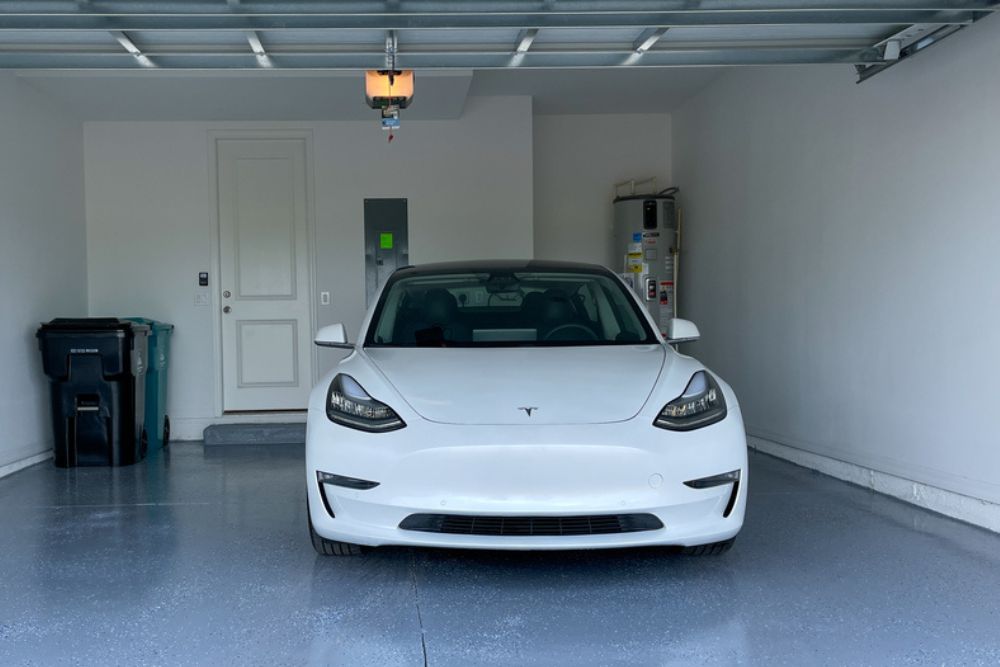
Step 5: Apply the Topcoat. Step 5: Applying the topcoat. This seals your epoxy flooring and provides extra protection against wear. The thickness of the epoxy floor may dictate how many layers are required to provide coverage.
After we've completed the initial inquiry process, we schedule a pre-site inspection. This will allow us to examine the site. After completing a complimentary measure, we will show you examples of the different finishes that might suit your project. All of your questions are answered and we provide information that will help you make your project a success.
A slip resistant finish is also an important safety feature. The slippery nature of epoxy flooring when wet is especially true if the finish is high gloss. High traffic areas can pose a danger to customers and employees. For slip- and fall prevention, choose epoxy flooring with slip-resistant properties. After installation, you can also apply a slip resistant coating.
Installing epoxy flooring will cost you depending on whether you use a professional to do the job or if it is DIY. There are many DIY options, but professional installation is often safer and cheaper.
Epoxy flooring offers a durable, resilient solution that is suitable for many environments. Epoxy flooring is a durable and resilient option that resists chemicals, wear, impact, and scratches. It's a popular choice for industrial and commercial settings, such as warehouses, where chemical exposure and heavy machinery are frequent. Epoxy flooring can also withstand large traffic volumes, heavy loads, and is slip resistant when wet.
Also, safety measures must be followed during the installation. It is essential to wear protective clothing such as gloves, eyewear and protection. The chemicals being used during the installation process could be dangerous if they are in direct contact with eyes or skin. You should also ensure that you adhere to the instructions of your manufacturer in order for epoxy flooring to be properly installed.
The condition of an existing floor should be considered when planning layout. The installation of a floor that isn't in poor condition or requires no preparation work will be easy and inexpensive. Installing it if there is damage or it requires extensive stripping will result in significant increases in costs.
Epoxy flooring is a better choice than traditional floor options. Epoxy flooring is more durable than traditional floors and resists damage. Epoxy flooring is also easy to customize and keep up-to date, which makes it an affordable long-term solution.
It involves prepping and priming your floor, coating it with epoxy, adding pigments or decorative flakes to it, and finally applying topcoat. You can make sure your floors will last for years and be reliable for all types of home or business applications by following these steps.
It is possible to customize epoxy flooring in order to enhance safety. By using patterns and stencils, one can designate areas or walkways within the room. This helps to reduce accidents as well.
Also, safety measures must be followed during the installation. It is essential to wear protective clothing such as gloves, eyewear and protection. The chemicals being used during the installation process could be dangerous if they are in direct contact with eyes or skin. Also, be sure to read and follow any instructions provided by the manufacturer so epoxy flooring is properly installed.
Another advantage of epoxy flooring is its scratch resistance. Unlike other flooring options that may show scratches or scuffs over time, epoxy floors remain scratch-resistant even with regular usage. Furthermore, it has excellent impact resistance; heavy objects dropped on it won't crack or dent.