Epoxy flooring has a long life span and can last years when properly maintained. Epoxy flooring is a strong and durable choice that can last for years.
Epoxy flooring is more economical than traditional flooring. Many factors influence how expensive epoxy is, including what epoxy coating you choose and what area of concrete slab it will be covering. It is necessary to have a strong concrete foundation in order for epoxy paint to adhere well. We can provide detailed information on how to make sure the subfloor is prepared. The cost will also reflect this.
Below are just some of the projects that we have done for customers. A professional service is provided by us, which includes consultation and a free estimate. We also provide design, material supply, installation, and maintenance.
Efficient epoxy flooring is a must-have for anyone who wants to install it themselves. Lack of proper adhesion can result in cracking and peeling.
Although epoxy flooring installation is not difficult, it can still be very time-consuming. Improper installation may cause epoxy flooring to fail to stick, which can lead to poor durability and long-term performance.
Many ways can epoxy flooring be modified. An easy way to customize epoxy flooring is to color it before applying to the floors. You have the option of choosing from vibrant and bright colors or subtler neutral tones.
Epoxy flooring is an incredibly versatile flooring option that has become increasingly popular over the years. Its durability and resistance to a wide range of chemicals and heavy traffic make it an ideal choice for various commercial, industrial, and residential applications.
Here are some common applications for epoxy flooring:
Warehouses and industrial facilities: Epoxy flooring is an excellent choice for industrial and warehouse settings where there is high traffic, heavy machinery, and exposure to chemicals. It is slip-resistant and can withstand heavy loads, making it perfect for such environments.
Commercial kitchens: Commercial kitchens require flooring that is easy to clean, slip-resistant, and hygienic. Epoxy flooring is an excellent option as it can withstand high temperatures, is non-porous, and can be easily sanitized.
Hospitals and healthcare facilities: Epoxy flooring is a popular choice for hospitals and healthcare facilities due to its durability and ability to withstand frequent cleaning and disinfection. It is also seamless, which helps prevent the buildup of bacteria and dirt.
Retail stores: Epoxy flooring can give retail stores a modern and sleek look while also providing durability and resistance to heavy foot traffic.
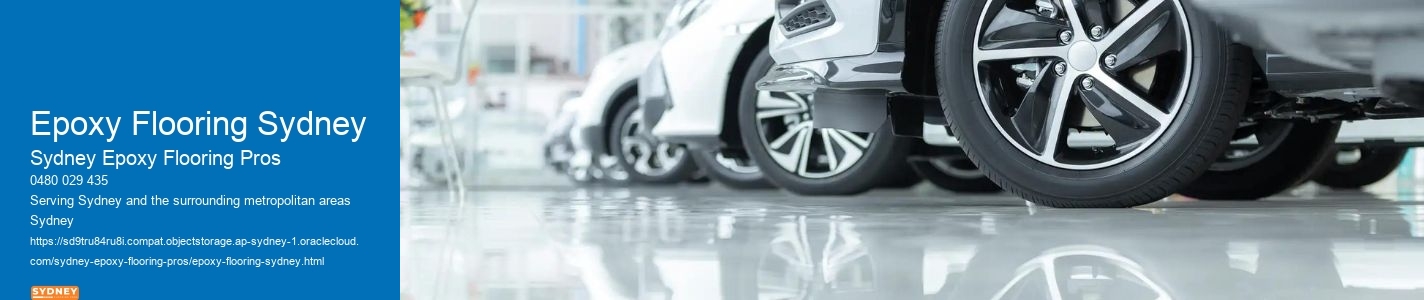
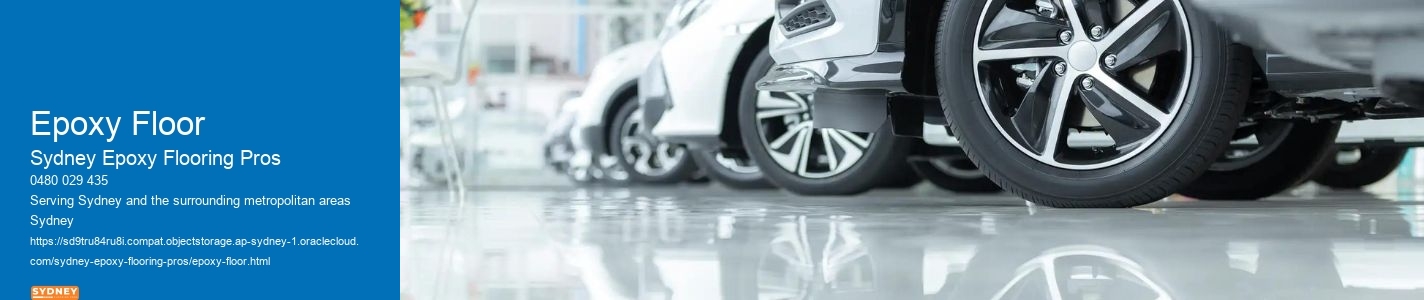
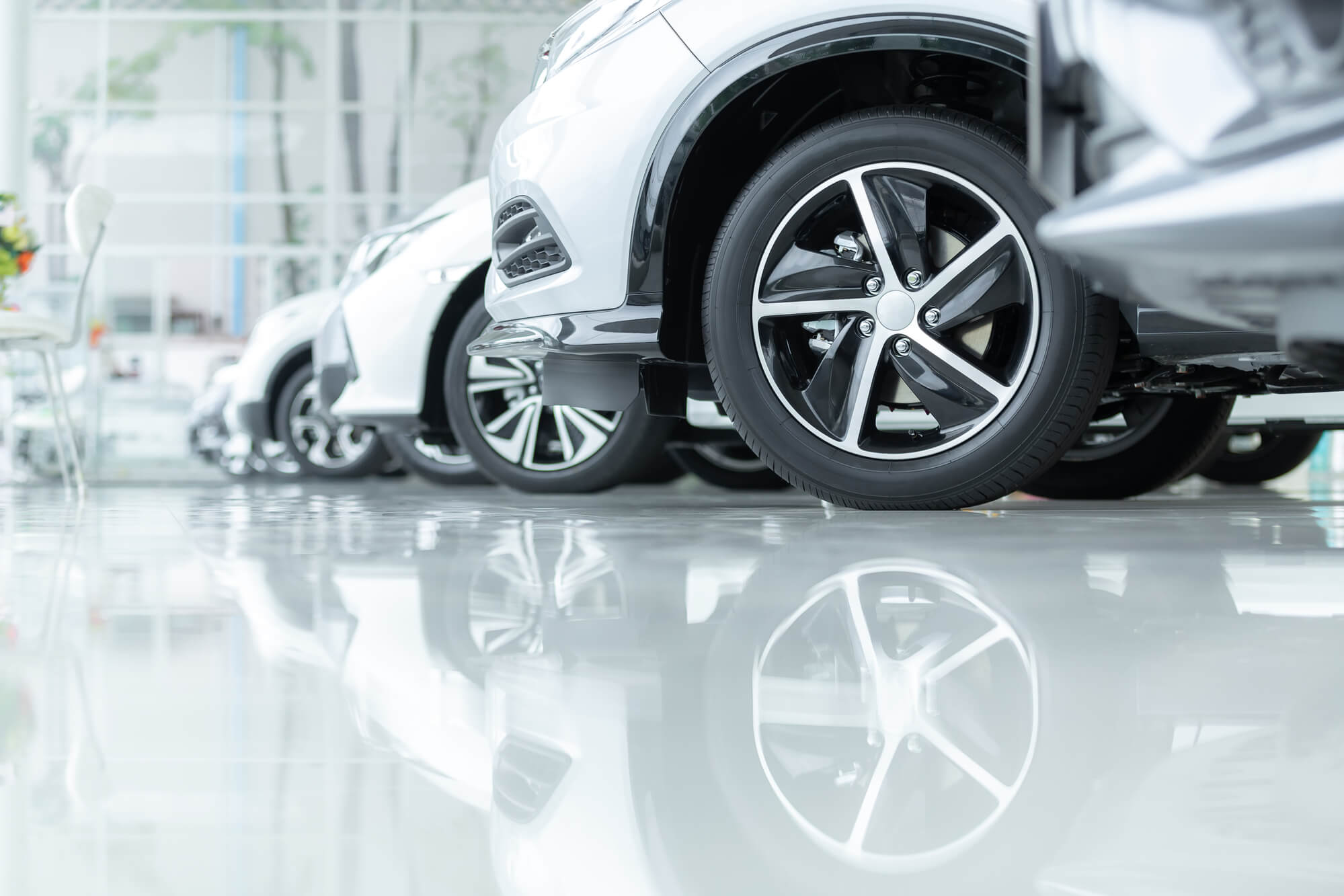
Garages and auto repair shops: Epoxy flooring is perfect for garages and auto repair shops because of its ability to withstand oil and chemical spills, as well as the wear and tear of car tires.
Schools and universities: Epoxy flooring is an excellent choice for schools and universities due to its durability and ease of maintenance. It can also be customized to incorporate school colors or logos.
Sports facilities: Epoxy flooring is commonly used in sports facilities due to its high level of slip resistance and impact resistance. It is a popular choice for basketball courts, gyms, and other sports areas.
In conclusion, epoxy flooring is a versatile and durable option that can be customized to meet the needs of a wide range of commercial, industrial, and residential applications.
Epoxy flooring is a popular choice for commercial and industrial spaces due to its durability, resistance to chemicals and easy maintenance. However, when it comes to installation, many people wonder whether it is possible to do it on their own or if professional installation is necessary. In this blog post, we will discuss whether epoxy flooring can be installed on a DIY basis or not.
Firstly, it is important to note that installing epoxy flooring is not an easy task and requires a certain level of skill and experience. The process involves preparing the surface by cleaning, etching or grinding it to create a rough surface for the epoxy to adhere to. This is followed by applying the epoxy coating in multiple layers, each with its own set of instructions and curing times.
If you have experience in working with concrete and coatings, and have the necessary equipment and tools, you may be able to install epoxy flooring on your own. However, for those who are not experienced, it is highly recommended to hire a professional epoxy flooring installer.
Professional installers have the necessary skills and experience to handle the installation process with ease. They are equipped with the right tools and equipment, and know the right techniques to ensure a smooth and even finish. Moreover, they will be able to advise you on the right type of epoxy for your space, and ensure that the installation is done in accordance with the manufacturer's instructions.
Another important consideration is that if you do attempt to install epoxy flooring on your own, any mistakes made during the installation process can be costly to fix. If the epoxy is not installed correctly, it can result in a lack of adhesion, which can cause peeling or cracking. This can result in costly repairs or even the need for a complete re-installation.
In conclusion, while it is possible to install epoxy flooring on a DIY basis, it is highly recommended to hire a professional installer. They have the necessary skills, experience and equipment to ensure a smooth and successful installation, and can save you from costly mistakes in the long run.
If you're considering installing epoxy flooring in your home or business, one of the first questions you're likely to have is: how much does it cost?
The answer, of course, depends on a number of factors. In this post, we'll take a look at the key factors that can influence the cost of epoxy flooring installation and give you a rough idea of what you can expect to pay.
The first factor to consider is the size of the area you want to cover with epoxy flooring. Obviously, the larger the area, the more it will cost to install. However, larger areas are often cheaper on a per-square-metre basis than smaller areas, as there are economies of scale involved.
The second factor to consider is the condition of the existing floor. If the floor is in good condition and doesn't require any repairs or preparation work, the installation will be relatively straightforward and cheaper. However, if the floor is damaged, uneven or needs to be stripped, the cost will go up.
Another factor that can affect the cost of epoxy flooring installation is the type of epoxy you choose. There are a wide variety of epoxy coatings available, ranging from basic to high-end, and the price can vary accordingly. Higher-quality epoxy coatings tend to be more expensive, but they also tend to be more durable and long-lasting.
Finally, the cost of installation will also depend on whether you choose to hire a professional or attempt a DIY installation. While DIY epoxy flooring kits are available, it's worth noting that professional installation can be a safer and more efficient option in the long run.
So, what kind of costs can you expect? Generally, epoxy flooring installation can cost anywhere from $30 to $50 per square metre, depending on the factors listed above. For larger installations, the cost per square metre may be lower, but overall costs will be higher.
It's important to keep in mind that these are just rough estimates, and your actual costs may vary depending on your specific situation. The best way to get an accurate quote is to contact a professional epoxy flooring installer in your area and ask for a quote based on your specific needs.
Overall, while the cost of epoxy flooring installation may seem daunting, it's important to remember that it can be a worthwhile investment in the long run. With its durability, easy maintenance and customisation options, epoxy flooring can add both aesthetic appeal and value to your home or business.
Epoxy flooring is a popular choice for many commercial and industrial spaces due to its durability, resistance to stains and chemicals, and aesthetic appeal. However, it's important to keep in mind that there are some safety considerations to be aware of when using epoxy flooring.
First and foremost, it's essential to ensure that the area where the epoxy flooring will be installed is well-ventilated. The chemicals used in the epoxy can release harmful fumes during the installation process and even after the installation is complete. It's recommended to open windows, use fans, and wear a respirator mask during the installation process.
Another safety consideration is slip-resistance. Epoxy flooring can be quite slippery when wet, especially if it has a high gloss finish. This can create a hazard for employees and customers, particularly in high-traffic areas. To prevent slips and falls, it's essential to choose an epoxy flooring product with slip-resistant properties or add a slip-resistant coating after installation.
It's also important to consider the potential for static electricity build-up. If the area where the epoxy flooring will be installed is prone to static electricity, it's recommended to use an anti-static epoxy flooring product. This will help to prevent static discharge that can damage electronic equipment or even cause a fire.
Lastly, it's important to follow proper safety procedures during the installation process. This includes wearing protective clothing, gloves, and eyewear. The chemicals used in the installation process can be harmful if they come into contact with the skin or eyes. Additionally, it's important to follow the manufacturer's instructions carefully and ensure that the epoxy flooring is installed correctly to prevent any safety hazards.
Overall, with proper installation and maintenance, epoxy flooring is a safe and durable option for commercial and industrial spaces. By taking the necessary safety considerations into account, you can ensure a safe and functional flooring solution for your business.
Because epoxy flooring can withstand chemical damage and is easy to maintain, it's a very popular option for industrial and commercial spaces. It is often a question of whether it's possible to do the installation themselves or need professional assistance. We'll be discussing whether epoxy flooring installation is possible on a DIY basis.
It is important to remember that mistakes made in epoxy flooring installation could prove expensive. The floor may crack or peel if it isn't adhered properly. If this happens, costly repairs will be required.
The first thing to remember when installing epoxy flooring is that it requires skill and knowledge. To prepare the floor for the epoxy coating, you will need to clean the area by etching or grinding the dirt. Then, you will apply multiple coats of epoxy coating - each one with its own instructions and curing time - until your desired results are achieved.
However, epoxy flooring is different to other types of flooring. The multiple layers of epoxy flooring make it more resilient against damage and wear than the traditional counterparts.
We've been installing epoxy floors for many years, and we receive many of the same questions and discuss the same concerns with most property owners. Here are some of the most common ones, which you might be wanting the answers to also:
If applied correctly, epoxy floor coatings will not fade, crack, or scuff for many years. As epoxy floor coating is low-maintenance and can withstand significant wear, you won’t need to worry about ruining the floor every time you drop something.
When looking into epoxy flooring for your home or business, one of the key questions you're likely asking yourself is: how long does it last and how durable is it? Fortunately, epoxy flooring is one of the most durable flooring options available and with proper installation and upkeep can last for many years.
Epoxy flooring is a strong and durable choice for flooring. With proper care and installation, it can last many years. Epoxy flooring is a strong and durable choice that can last for years.
Epoxy flooring customization can make your space more appealing. In retail, this is crucial as it directly impacts the customer experience.
Epoxy flooring has many advantages over traditional hardwood floors. This epoxy flooring is an excellent choice for businesses and industries due to its flexibility and resistance to damage. Even though installation takes longer, you'll be able to enjoy a stunning, long-lasting finish that's simple to maintain.
While epoxy flooring is durable and long-lasting, regular maintenance is necessary to maintain its beauty. The most important step in maintaining epoxy flooring is to clean it often. Dirt and grime can build up over time, which can reduce its durability or dull the shine. You can keep epoxy looking great by regularly deep cleaning.
Many businesses are concerned about safety. Epoxy flooring has slip-resistant qualities that make it suitable for areas where there is the possibility of slips and falls. This is particularly important in workplaces where safety is paramount.
Epoxy flooring has a wide range of uses and can be tailored to fit the requirements of different residential, commercial, and industrial applications.
Epoxy flooring offers a sleek, modern look for retailers. This epoxy flooring also has the ability to withstand high foot traffic. Epoxy flooring has many benefits for auto shops and garages. It can tolerate oil spills and chemicals as well wear from cars tires.
In order to install epoxy flooring, you must ensure that the space is well ventilated. Both during and after epoxy flooring installation, hazardous fumes can be released. You can minimize your exposure to these harmful fumes by closing windows, using fans, and wearing a respirator mask.